





-240x240w.jpg "Handbags and Sporranbags")








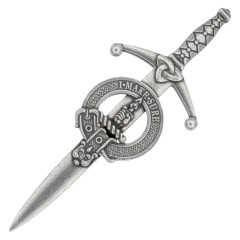












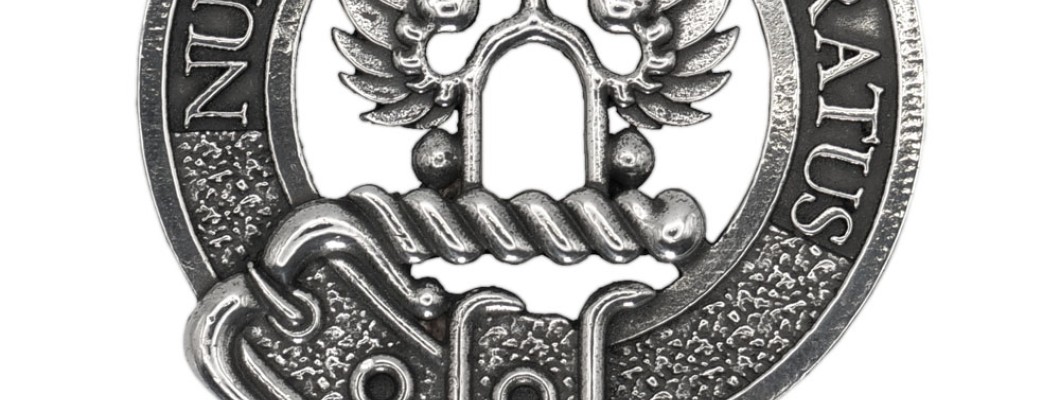
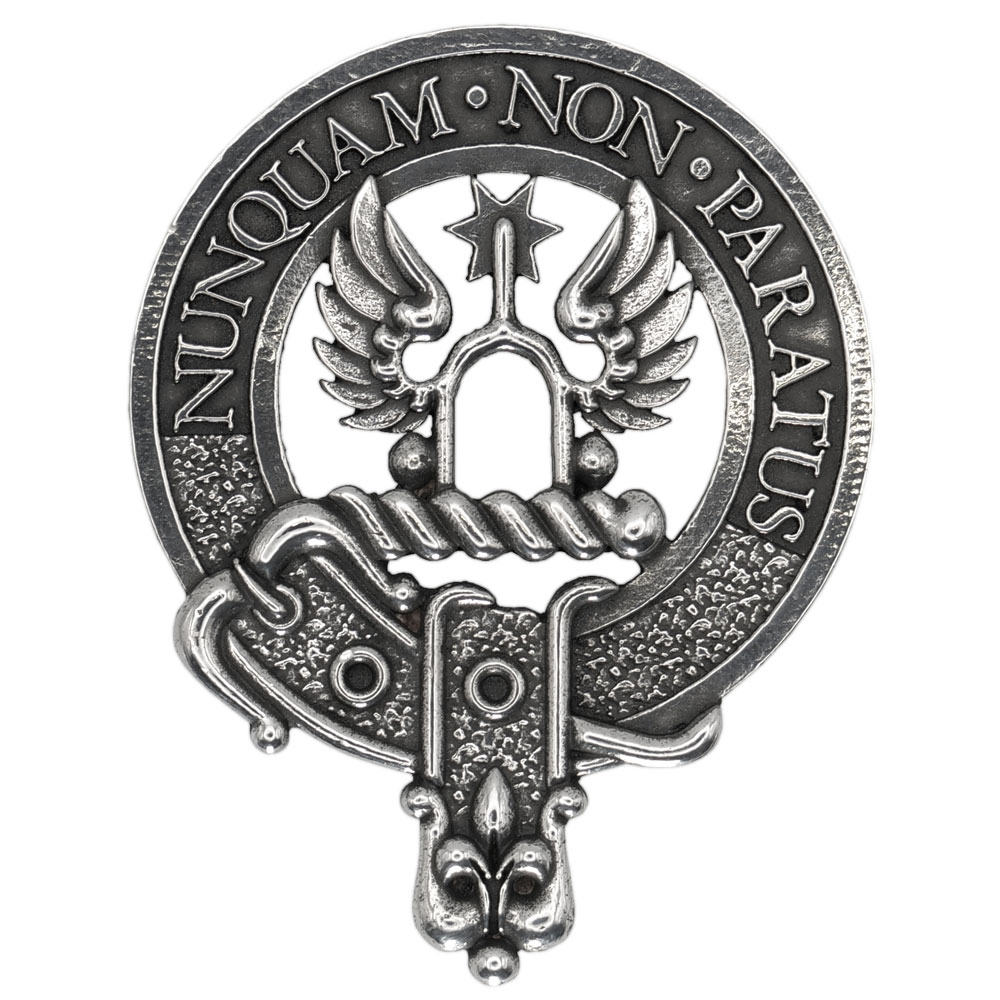
The crest of the chief of the Johnstones is a winged spur, accompanied by the motto “nunquam non paratus” (“never unprepared”). The symbolism is direct and effective. The Johnstones were a proud Borders kin-group, renowned for horsemanship and mounted warfare, and the spur is an unmistakable emblem of the mounted rider. The addition of wings intensifies this meaning, transforming a practical riding implement into a symbol of speed, mobility and responsiveness. It not only proclaims riding skill, but also suggests rapid action, adaptability and the ability to strike swiftly. The motto reinforces this message: the clan presents itself as perpetually ready, alert to danger, opportunity, or conflict. Together, crest and motto communicate a coherent identity built around preparedness, movement and martial efficiency, projecting an image of a family that is never static and never caught unawares.
This crest was in use by the Earls of Annandale by the 1680s, as recorded in Families of Scotland manuscript by Sir George Mackenzie, and it has remained the emblem of the chiefs of Johnstone ever since.
Earlier tradition records a different device. The old crest of the Johnstones of Annandale was apparently a star with the motto “Light Thieves All” (R. R. Stoddart, Scottish Arms being a Collection of Armorial Bearings 1370–1678, p.350). This star may itself have symbolised a spur rowel, suggesting continuity of equestrian symbolism beneath changing heraldic forms. The old motto uses ‘Thieves’ as a stand in for Reivers, as in ‘dismount all you reivers’, probably indicating the Johnstone’s role in policing the borders (and these former poachers now become gamekeepers, as the old metaphor goes).
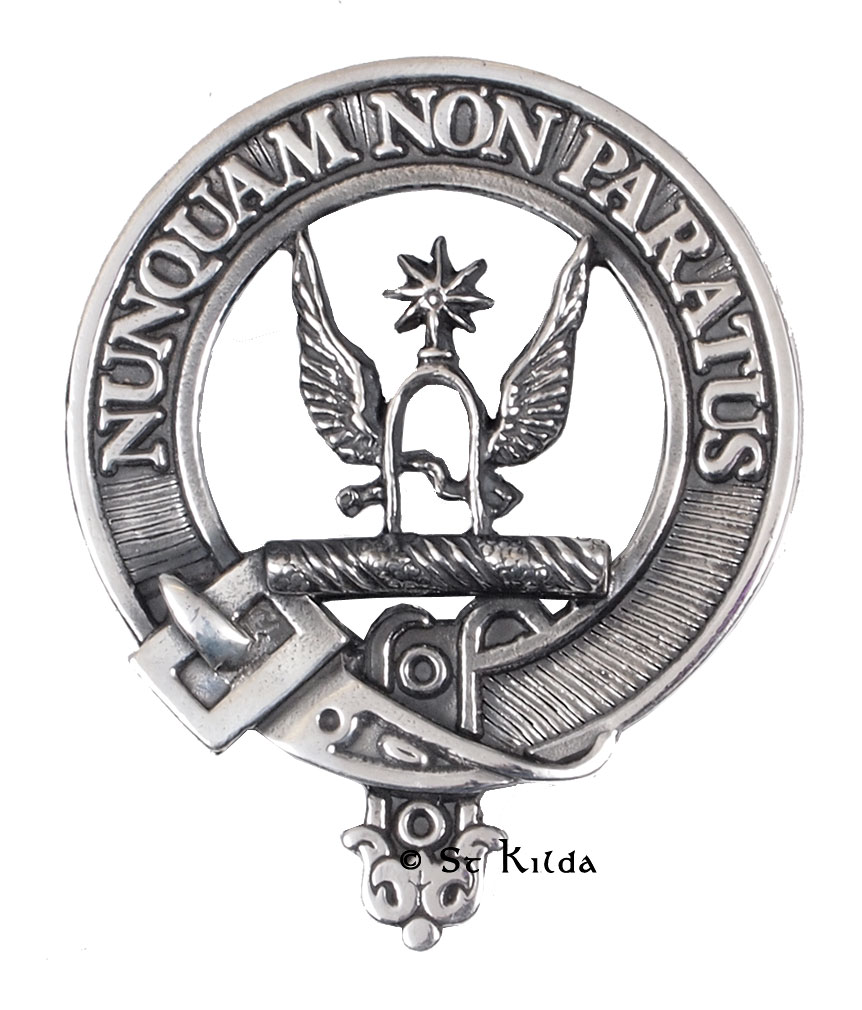
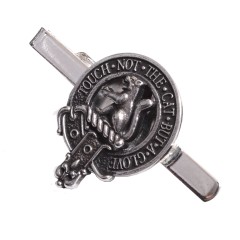
Our older Carrick version of the Johnstone Crest.
MKP 23 January 2026