





-240x240w.jpg "Handbags and Sporranbags")
















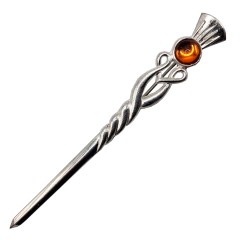
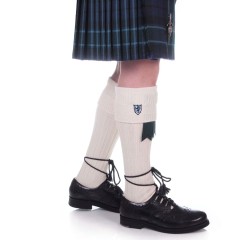
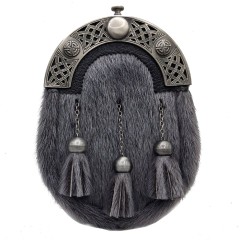


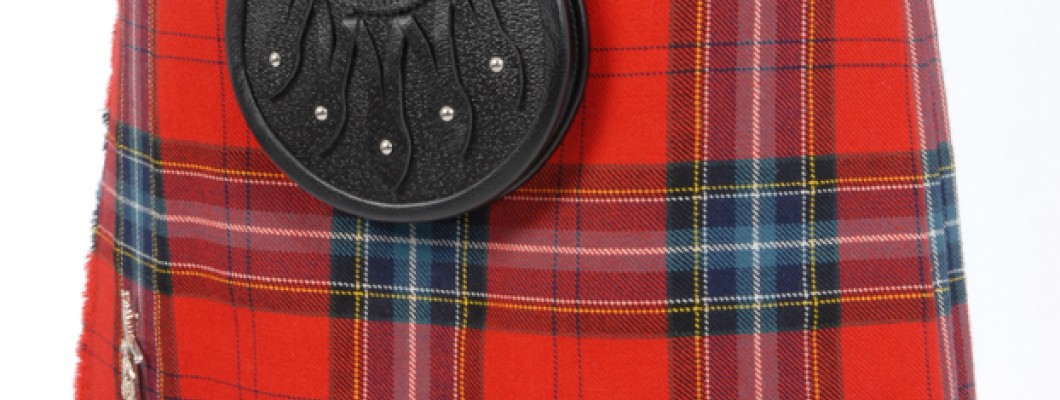
If people ask us the reason why the classic tartan Kilt has remained more or less unchanged for over a century, we always provide the same answer. It was never intended to be a mere fashion statement, to come and go like any other garment. Kilts can be passed down the generations. A well-made traditional tartan kilt was designed to fulfil a particular purpose, of expressing the persona, identity and heritage of the wearer. This is why it is an essential part of any Scotsman’s wardrobe today, just like it was centuries ago.
In St Kilda Kilts we make traditional tartan Kilts. We research them, wear them, and speak to those who wear them. We use them to mark crucial occasions throughout their daily lives. From weddings to ceilidhs, the kilt has a place in our lives because it has significance for those special moments. This article is based on our own experiences and understanding, so you can know the significance of why the tartan kilt continues to be an iconic Scottish tradition.
What Makes a Tartan Kilt So Special
The Tartan Kilt is obviously iconic and instantly recognisable, but its significance goes much deeper than the appearance. Tartan, at its core, is simply a pattern of colored lines that intersect at right angles, but this simplicity becomes a chorus of colour when woven. Each sett has a history. And since the first half of the nineteenth century, specific patterns were tied to the ancient clans and kindreds of Scotland. Over time others are related to regions, occupations or even historical periods. Even if your surname doesn’t have its own tartan, you will still find something else to express your identity.
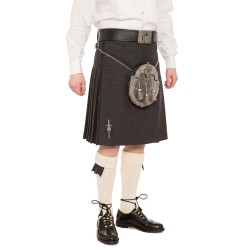
In terms of construction, the most important thing about the tartan kilt is the way it blends structure and movement. The front is simple and formal, whereas pleats on the back offer freedom and flexibility. This is what makes the kilt unique in its appearance and feel. A tartan kilt moves with the person wearing it. You certainly don’t get such movement with trousers! And this is one of the less known reasons why the kilt is so popular.
Some important features you'll see in a quality tartan kilt will be:
Perfect alignment of the tartan, centred on the front with the pleats in harmony with the stripes
A sturdy waistband that helps support the whole. We favour three straps for a good fit, although we’re happy to do two if that’s your preference.
Traditional quality cloth, usually a thick but tightly woven wool fabric, which has depth and toughness. There are of course good alternatives if you can’t use wool.
So understand that each of these elements is more decorative.
The History of the Traditional Kilt
The Traditional Kilt is a product that has its origins within the Scottish Highlands. The early versions weren't tailored clothes, but large pieces of tartan cloth swathed over the entire body. The earliest kilts provided warmth along with flexibility and shielded from the elements.
The design changed over time into the tailored kilt we have to this day. In the 18th century, developing over the nineteenth into the traditional kilt of today. The small kilt was comfortable for daytime use, appropriate for travel over rough terrain and durable enough to last.
The kilt is not just a costume, and it was able to survive because it represented something more to those who were wearing it. It's both present and past. In the Victorian period, the kilt was spread from its Highland origins to the whole of Scotland and became a strong expression of national pride and identity.
The history of the kilt explains why the kilt of old is a popular choice. It is a symbol of strength and endurance, as well as it is a symbol of Scottish tradition.
Why the Tartan Kilt Still Matters Today
Here's the crux. The longevity of clothing is determined by how it remains in good use for the people who wear it. A traditional Tartan Kilt remains a part of modern-day life since it is able to meet the needs of modern society.
Kilts are popular today due to numerous reasons. Many want to honour their culture. Others prefer clothes that feel unique rather than generic. Many are drawn to the quality of workmanship and the sense of authenticity that a kilt can provide.
The tartan kilt still has an impact because:
It allows you to connect with history without letting you feel old-fashioned.
It is an excellent alternative to formal attire that isn't conventional.
It has emotional and cultural significance, especially as they can be handed down generations.
It can be used in formal and informal situations.
We witness this every day in the people we work with. The kilt isn't worn casually. It is picked with care.
Understanding the Importance of a Scottish-made Kilt
The Scottish-made kilt is a reflection of local tailoring expertise and respect for the past. The art of making a good kilt takes time, skill and a keen eye for particulars. A well-made kilt is a harmony of proportions, pattern and movement. Kilts manufactured in Scotland are crafted using methods that have been handed down through generations. Every measure counts. Every pleat has to be perfectly aligned with the pattern of tartan. This isn't work that should be done in a hurry.
A genuine Scottish Kilt is usually made of:
High quality cloth. Traditionally heavyweight wool, but with alternatives.
Two front aprons at the front and pleats at the back.
Reinforced stitching to last for a long time.
Straps and buckles to ensure a perfect fit.
This type of care will ensure that the kilt keeps its shape and style for a long time. In many instances, the kilt that is well-made becomes an item that is handed down rather than being replaced.
Why a Hand-Made Kilt Makes a Difference
Most kilts we make are hand prepared and machine sewn at the end. We also do entirely hand finished kilt, down to every stitch. Both have the same level of care and attention, with the hand-stitched going that extra mile in terms of details. There is no shortcut to this procedure.
All our kilt makers, ensure
That the tartan is aligned precisely and perfectly.
Each is shaped to fit the wearer.
The pleats are pressed and finished to ensure good sway.
And make adjustments to details that machines can't handle.
This results is a Kilt that can be worn more comfortably, is easier to move in, and lasts longer. As time passes, our kilts adjust to wearers and will fit like a glove.
These are some of the reasons that people who own a kilt made by us tend to keep it for a lifetime. The kilt will become familiar, comfortable and personal. In St Kilda Kilts, we appreciate how much importance people put on the quality of workmanship since they feel the difference in their clothes when they wear them. That is our philosophy.
Why a Made-to-Measure Kilt Matters
There are no two bodies that are the same. We don’t do off-the-peg kilts, each is made to fit you, and this makes a kilt special and timeless.
Standard sizes cannot be adjusted for movement, posture or the body's natural shape. A custom-made kilt is made by taking your precise measurements, guaranteeing balance and comfort starting from the first time you wear it.
Benefits of choose one of our custom measure kilt:
More comfort while walking or sitting
Clean lines and a clean appearance
A proper weight distribution around the waist
Pleats that fall correctly
Once you have a kilt that is custom-made to fit you, it will be challenging to return to the standard size for your other garments!
What to Know When You Buy Kilt Online
It can be daunting thinking of buying a kilt online, but don’t worry. Measuring isn’t as half as scary as it might seem - the tape measure is your friend - and we always check the sizes that are given to us to make sure they’re in proportion. And if there’s any issues in sizing after we’ve sent it out, we’ll always take it back for a tweak if needed.
When purchasing a kilt online, be sure to
Follow our Instructions for measuring.
Consider ordering a cloth swatch before the kilt, to make sure your completely happy with your tartan choice
Keep in mind the lead time we need to make it.
It is important to keep these things in mind when ordering, so you can best make an informed choice. When you purchase a kilt online, you will feel secure with peace of mind.
How the Traditional Kilt Fits Modern Life
The Traditional Kilt has changed, but without losing its originality. Kilts are now used in a variety of contexts. You can find them at:
Weddings and formal occasions
Highland festivals and games
Gatherings and ceremonies of culture
Celebrations of personal milestones and birthdays
Ceilidhs and traditional dances
Sporting matches, like rugby
Many individuals wear the kilt just once or twice a year. Others incorporate it into their regular attire. The design is flexible enough to accommodate both styles, and that's why the kilt is able to appear pertinent.
Caring for Your Tartan Kilt
The Tartan Kilt can be made to last; the need for care remains essential.
We recommend:
Dry clean only when needed. Spot clean as a first resort.
Make sure the kilt is hung correctly to ensure pleats are protected. We have kilt hangers designed exactly for this.
Place it in a ventilated garment bag. Keep some lavender to hand to keep moths away
Beware of washing that isn't necessary
With the proper care, an excellent kilt will last a lifetime.
Why the Tartan Kilt Will Always Endure
Fashion trends evolve. The tartan kilt has remained because it has more than just fashion.
It combines:
The Modern and the historical
Craftsmanship and individuality
Expression of personal heritage and cultural tradition
This balance guarantees its place within Scottish culture and beyond.
Final Thoughts
The Tartan Kilt has earned its status as an iconic Scottish classic over the years through use, care and respect. It has not relied on the latest trends to last. It has lasted because it was built with the intention of being made.
At St Kilda Kilts we see the kilt as a part of the culture of today and not just a dress. Understanding the reasons behind its longevity will help you appreciate its significance, regardless of whether you wear it yourself or take note of its historical significance.
The tartan kilt has endured because it was made to last.