





-240x240w.jpg "Handbags and Sporranbags")


















This article will help you choose your kilt. We hope this guide will make it easier for you in guiding your choices, both rooted in our own quality and traditions, but also in making something that really represents your identity.
Key Takeaways
Know the difference between formal and casual kilt styles
Choose tartan based on heritage or personal preference
Understand why fabric and craftsmanship matter
Match accessories with the occasion for a complete outfit
When to Invest in quality pieces, like a full 8-yard or a hand-stitched kilt
Introduction
As a kilt is a powerful cultural statement, choosing the wrong type or tartan can become awkward: but here’s how to get it right.
Scottish history shows that kilts date back into the 16th century and maybe earlier, when they were worn as practical all-weather Highland garments.Over time they were shortened and formalised, and have now become one of the strongest symbols of Scottish identity.
Today, choosing the right Traditional Kilt goes far beyond clothing; it reflects heritage, occasion, and personal expression. Whether you're attending a wedding, a formal gathering, or something more relaxed, the kilt you choose shapes how you’re seen.
Everything becomes easier once you understand fabric, tartan, and fit. You can stop guessing and start choosing with confidence.

Table of Contents
Understanding Different Types of Kilts
Choosing the Right Kilt for Each Occasion
Fabric and Craftsmanship: Why It Matters
Selecting the Perfect Tartan
Essential Accessories for a Complete Look
Sizing and Fit Guide
Common Mistakes to Avoid
FAQs
Understanding Different Styles of Kilts for Every Occasion
Before you decide on your kilt, you have to be aware of the different options available. It's not the case that every kilt is suitable for all settings, and that's why the majority of people get it wrong.
Types of Kilts Explained (types of kilts, traditional Scottish dress guide)
Let's break it down:
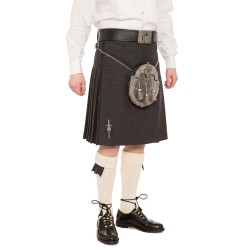
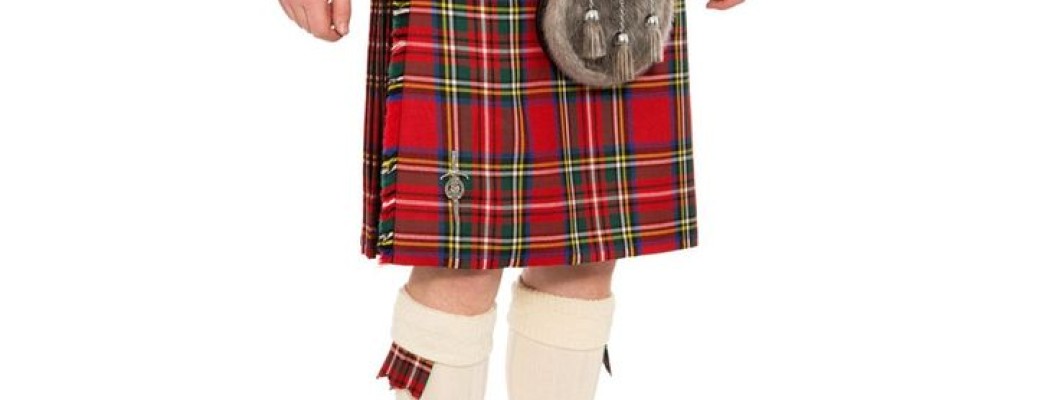
The 8-yard Kilt is the most well-known, formal and traditional choice.
The 5-yard kilt is a lighter, more casual option.
The Great Kilt is the historic Highland outside all-purpose classic.
Contemporary casual Kilts: Designed to be worn every day with ease
Why the Full 8 Yard Kilt is the Gold Standard (8 Yard Kilt vs 5-yard kilt)
A full 8-yard kilt stands out for a reason. It offers:
Deeper pleats for a structured look
Better movement and drape
A more complete representation of traditional kilts in Scotland
At stores like St Kilda Kilts, this style reflects authentic craftsmanship and remains the preferred choice for formal occasions. This is a garment designed, properly looked after, to last a lifetime. Think of the 8-yarder as the formal option, while a 5-yard kilt is more ‘semi-dress’ and casual.
Exploring the 8 Yard Vegan Kilt Option (modern vs traditional kilt)
If you’re looking for a modern alternative, the 8-yard vegan kilt offers a smart solution.
No animal-based materials
Maintains a traditional appearance
Lightweight construction
Choosing the Right Kilt Based on Occasion
The occasion should guide every decision you make. Wearing a heavy formal kilt to a casual event, or the other way around, might not feel right.
Formal Events & Weddings (kilt outfit for weddings, formal kilt attire)
For weddings, or black-tie events, use:
Full 8-yard kilt. Heavyweight cloth, although medium will be fine. Clan and family tartans are ideal for these, but universal tartans are fine too.
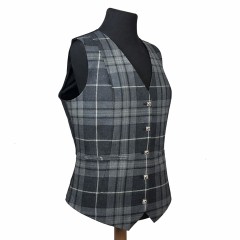
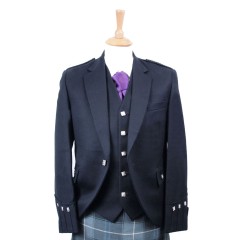
Black Prince Charlie or Argyll jacket set with waistcoat (don’t wear a belt when wearing a waistcoat)
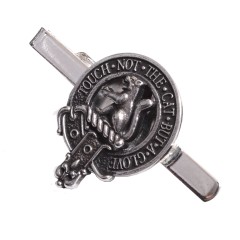
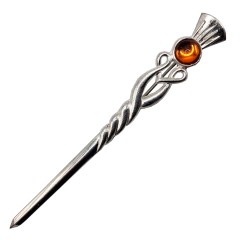
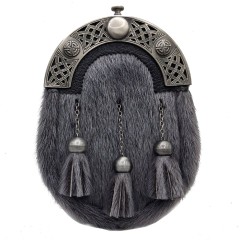
Dress sporran, Sgian Dubh and Kilt Pin. Ideally with metal tint to match the metal buttons on the jacket.
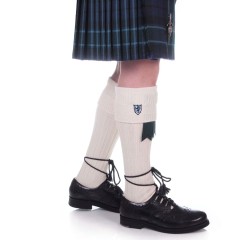
Black or Arran (cream) kilt hose.
Black Ghillie Brogues
For extra special events you might consider a formal doublet, or a tartan fly plaid, but the list above are your essentials.
Less Formal Events but still smart (some weddings when appropriate; parties, dances)
For weddings, or black-tie events, use:
Full 8-yard kilt or a 5 yard kilt. Heavy or medium cloth.
Tweed Jacket Set, with or without a waistcoat as you like. If you don’t wear the waistcoat, wear a belt and buckle.
Semi-Dress or Day sporran and Kilt Pin. You can leave the Sgian Dubh at home usually.
Kilt hose to match your jacket, or a bold colour of your kilt.
Black or brown Ghillie Brogues (make sure your sporran leather matches)
Casual & Everyday Wear (casual kilt outfit ideas)
For relaxed settings:
A 5 yard kilt or a top-stitch kilt are ideal. And you can choose lighter cloths.
A Tweed waistcoat, or just a jumper.
Day sporran to carry your essentials.
Kilt hose as you like, worn with any shoes or boots that feel comfortable.
Keep accessories minimal.
Fabric and Craftsmanship: What Defines a Quality Scottish Kilt
The thing is that fabric and construction are where the quality really shines through. You'll be able to tell the difference immediately.
Why Fully Hand-Stitched 8 Yard Kilts Matter (handmade kilt, kilt craftsmanship)
Our Handmade Kilts have the same construction as our 8 yard kilts, but offer:
The most traditional kilt making technique
Elegant stitching when view up close
Comparing Wool vs Polyviscose (wool vs polyviscose kilt comparison)
How to Choose the Perfect Tartan for Your Kilt
Tartan isn’t just about colour; it carries meaning. Choosing the right one adds depth to your outfit.
Clan Tartans vs Universal Tartans (choosing the best tartan for you)
Clan tartans: Based on family heritage. The tartan you wear does not need to be your surname, but can be one you have a connection to. Lots of people wear the tartan of their grandparent for example.
District tartans: many Scottish towns and counties have their own tartan, so you can often choose one based on your home or somewhere you or your ancestors had connections to.
Universal tartans: Open for anyone to wear. There are even national tartans for certain countries.
You can browse our tartan finder for names, colours, districts and even a list of all the universal options.
Using Tartan Fabric Sample Swatches (tartan fabric selection guide)
Before committing, using a sample swatch helps you:
See colours and pattern size in real light
Avoid mismatched combinations
Not sure which tartan suits you? A simple swatch can save you from costly mistakes.
Essential Accessories to Complete Your Kilt Outfit
A kilt alone is never enough. The right accessories complete the look.
Must-Have Accessories (you kilt accessories list)
Sporran - dress for formal, day for casual, semi-dress as your all-rounder.
Kilt hose - black or arran as your default, otherwise match your jacket.
Ghillie Brogues - black for formal, brown for casual. Make sure you match the leather of your sporran.
Belt and buckle for when you’re not wearing a waistcoat.
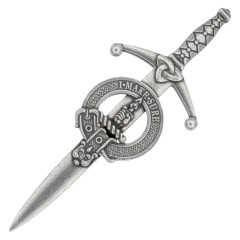
Kilt Pin
Sgian Dubh if appropriate, especially formal occasions.
Styling Tips for Different Occasions (kilt styling guide)
Keep it simple for casual wear
Go full traditional for formal events
Getting the Right Fit and Size for Your Kilt
The fitting of the garment affects everything. Even the most elegant kilt can look off if it's not positioned right.
How a Kilt Should Fit (kilt fit and sizing guide)
The kilt is worn high up on your ‘natural waist’ around your belly button, not the part of your waist where you wear your trousers.
The length finishes at the mid to upper middle of your knee
Common Mistakes to Avoid When Buying a Kilt
Many buyers make minor mistakes that can affect the final appearance.
Top Mistakes (what to look for when buying a kilt)
Choosing cheap materials. A lot of import kilts are made from synthetic acrylic. This is cheap and nasty and should be avoided.
Ignoring the occasion. Keep it formal when needed, but have fun with it for less formal events.
Getting the wrong size. Follow our guides and you can’t go wrong.
Skipping accessories. Don’t forget your kilt pin!
Wear Your Heritage with Confidence-Choose a Kilt That Truly Represents You
Choosing the right Traditional Kilt means more than just appearance. It's about authenticity, meaning and confidence. If you are aware of the fabric, your tartan, as well as the event, everything will be in its right place. If you're looking for a traditional Scottish kilt or are looking at alternatives within traditional kilts from Scotland, the key to success is quality and intent.
Ready to find a kilt that fits your story and occasion?
Explore premium options, including full 8-yard kilts, vegan alternatives, and tartan swatches at St Kilda Kilts, and choose something that truly represents you.
FAQs – Choosing the Right Traditional Kilt
What is the best kilt for a wedding?
A full 8-yard wool kilt with formal accessories is considered the best choice.
How do I choose the right tartan?
You can choose based on your heritage (family name, family connections), your personal connections (ie a city or Scottish district) or go with a universal tartan if you prefer. Have some fun and browse our tartan finder
Can kilts be worn casually?
Yes, 5-yard or top stitch kilts, often in lighter fabrics and minimal accessories work well for casual use.
What length should a kilt be?
It should fall to the middle of the knee for a proper fit. As a rule of thumb, dividing your height in three rarely fails.